
By Kevin Ferrisi –
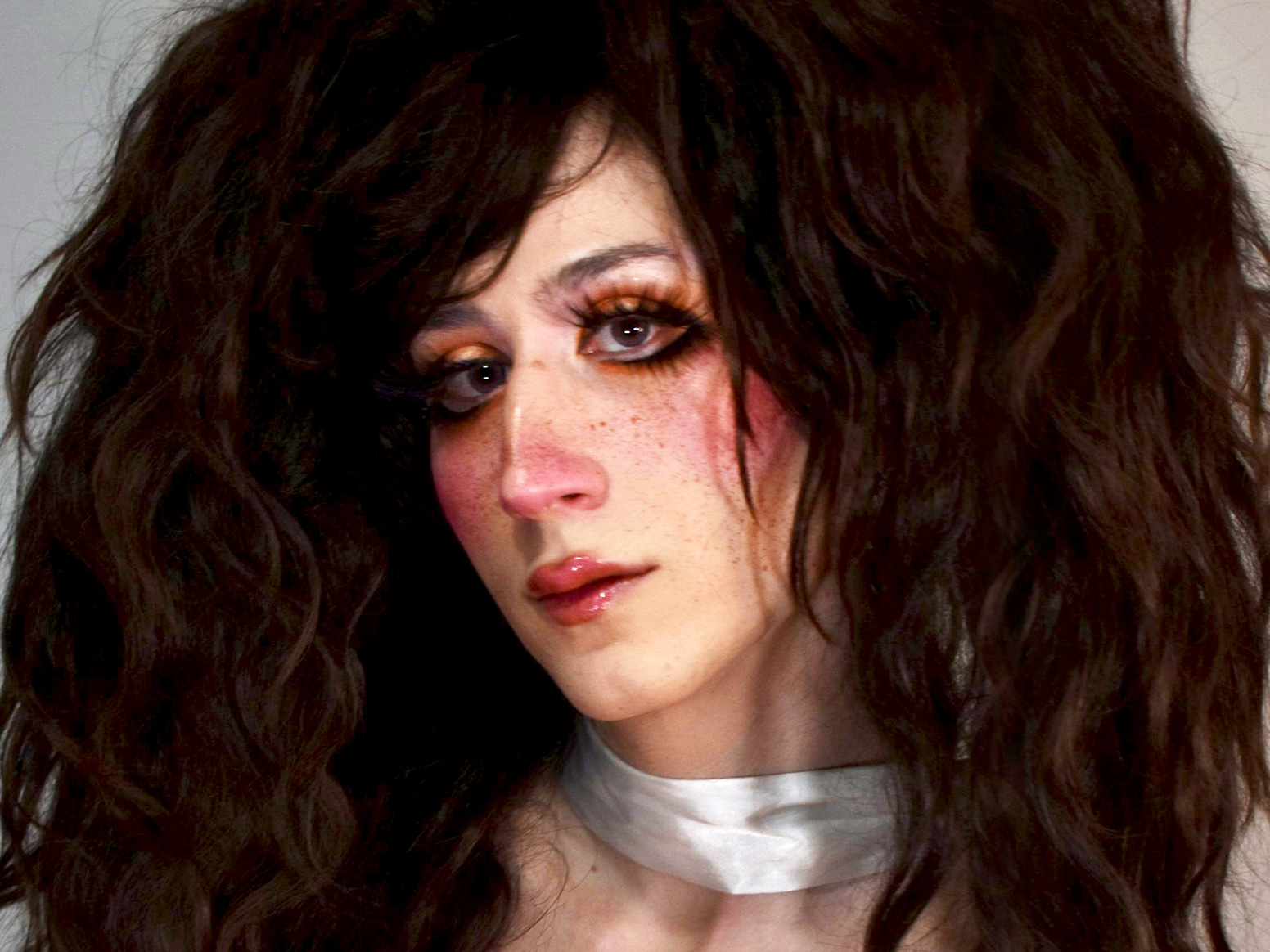
For Flaminia Fagiolina, drag has been nearly a decade in the making, though the roots of her persona stretch back even further. She officially began performing about nine years ago through Sky Casper’s Tuck and Strut event, where, she recalled with humor, she was still figuring it all out. But the character of Flaminia was born earlier in high school theater, inspired by Commedia dell’arte and its classic influence. Drawing her name from Flaminia, one of the “young lovers” during that genre, she sees the character’s romantic and naïve spirit as something that still shapes her drag today, blending theatrical history with the playful, heartfelt energy she brings to the stage.




The impulse to perform in drag reaches back to childhood for Flaminia. She traces one of her earliest memories of gender expression to an Orthodox Jewish summer camp, where at six or seven years old she insisted on playing the bride in a mock wedding, drawn simply to the dress and the chance to feel beautiful. Though the moment was met with teasing from her peers, she still remembers the unexpected affirmation of a rabbi counselor who tried to reassure her by pointing to performers like Robin Williams and Tyler Perry, both known for performing in women’s clothing. The rabbi used those examples of straight male performers as a roundabout way of reassuring her that dressing femininely did not automatically make her gay. While the conversation stopped short of openly affirming queerness, it was still one of the first moments in which she felt seen rather than judged.

Drag began as a love of fashion and performance, but quickly grew into a deeper form of self-expression. Drawn to glamour and beautiful clothing from a young age, Flaminia found early inspiration in drag icon Varla Jean Merman, whose performance left a lasting impression when Flaminia was a teenager, followed later by RuPaul’s Drag Race and Sky Casper’s Tuck and Strut competition. With a background in theater, drag became a natural extension of performing, but her artistry truly developed when she stopped trying to follow conventional drag formulas and instead approached it more like character work and painting. For Flaminia, drag is less about fitting a mold and more about creating a world of her own through style, storytelling, and transformation.
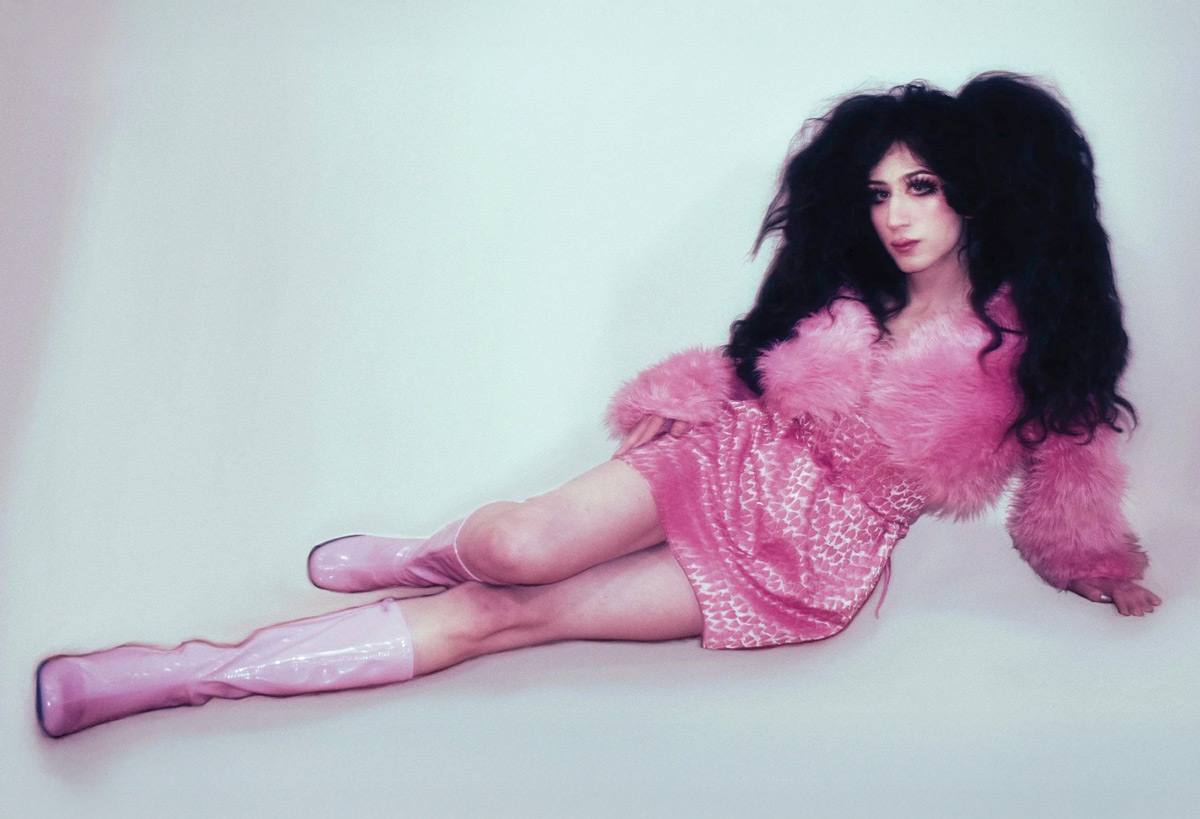
Her name carries both theatrical history and personal humor. She took Flaminia from Commedia dell’arte, drawing on the classic Italian character that first inspired her in high school theater, while noting it is also a traditional Italian woman’s name in its own right. Her full drag name, Flaminia Fagiolina, adds a playful personal touch, with “Fagiolina,” meaning beans, inspired by a pasta dish and coined by her birth mother. Though she often performs simply as Flaminia, she embraces the full name for its musicality and alliteration, reflecting the wit, theatricality, and sense of character that shape her drag.

Rooted in 16th century Italy, Commedia dell’arte, meaning “comedy of professional artists” or “comedy of the craft,” is a vibrant form of improvised theater built on masked stock characters, physical comedy, and loosely structured scenarios that gave performers room to invent in the moment. Flourishing across Europe for centuries, the style offered wit, movement, and bold character work as much as storytelling. Flaminia draws significant inspiration from that tradition, and its spirit offers a clear glimpse into who she is as a performer and artist, shaped by theatricality, playfulness, and larger-than-life expression.
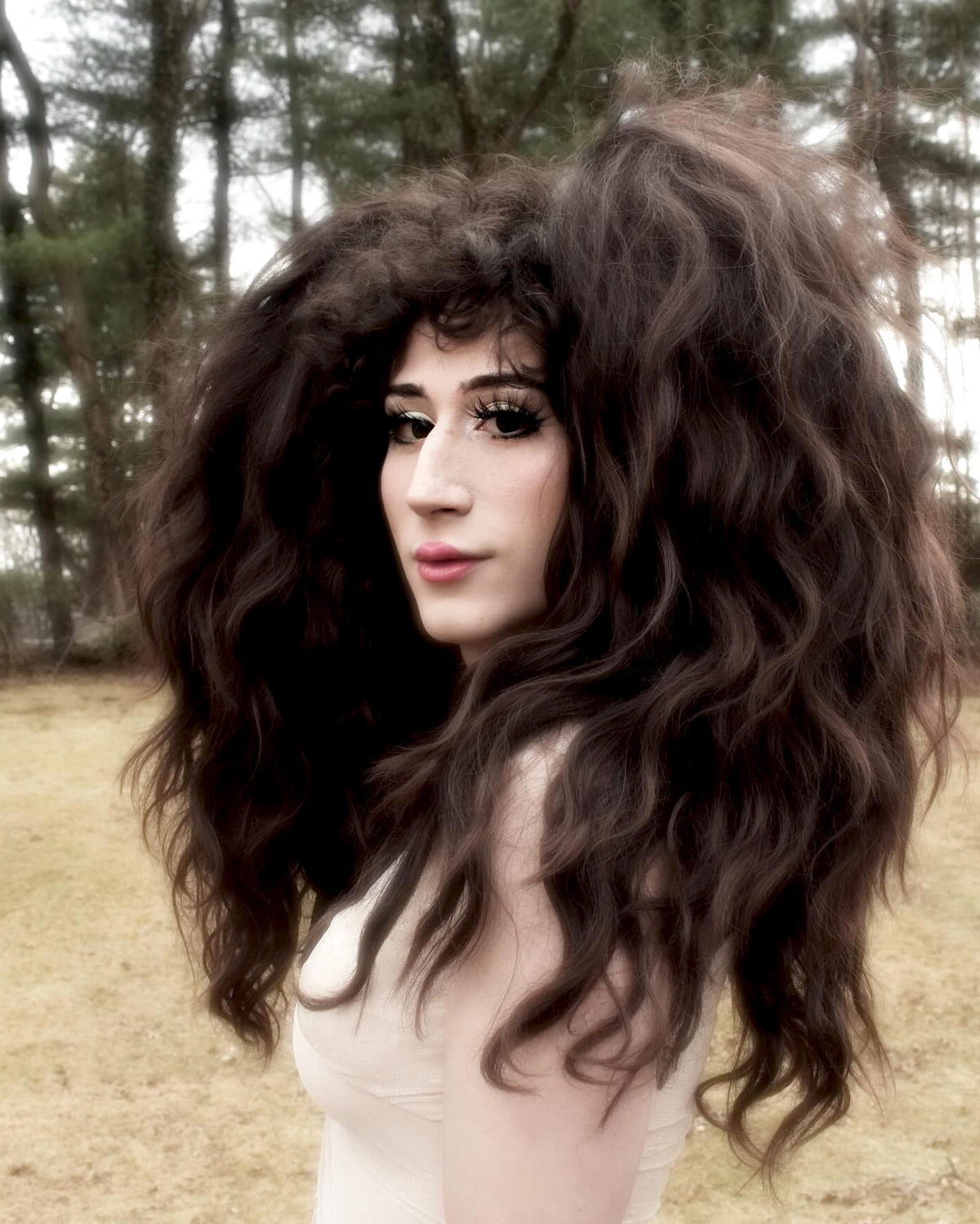
Flaminia remains connected to Connecticut’s drag family traditions through the House of Lay, where Flaminia is the first drag daughter of Mia E. Z’Lay. While relationships within drag families can be layered and evolve over time, she still considers herself part of that lineage and maintains a sense of kinship with her drag sisters and extended family. Though she performs under Flaminia Fagiolina rather than using the Lay name, she spoke of drag family as an enduring part of her story and the community that helped shape her.

Her drag is unconventional, but at its heart, she sees it as unforgettable. Rather than staying in one lane, Flaminia has moved fluidly through pageantry, alternative drag, comedy, and live hosting, building a style rooted in surprise and originality. With a background in acting and improv, performance and character work shape much of what she does, whether onstage in competition or hosting interactive game shows like Love Games at Golden Country Inn in Worthington, MA. More than fitting a single aesthetic, Flaminia aims to create moments audiences remember long after the show is over, a goal reflected in the bold, often unexpected work she brings to the stage.


For Flaminia, singing is another natural extension of a drag style that resists easy definition. Though she has had some private vocal training, music has always been part of her creative life, even tracing some of her early performance instincts to karaoke-style SingStar on PlayStation 2. That playful, self-made approach continues to shape her work, where live vocals, comedy, theater, and even an emerging interest in game development all intersect. Rather than fitting neatly into one category, Flaminia embraces being multifaceted, building a drag career defined by curiosity, experimentation, and performance in many forms.
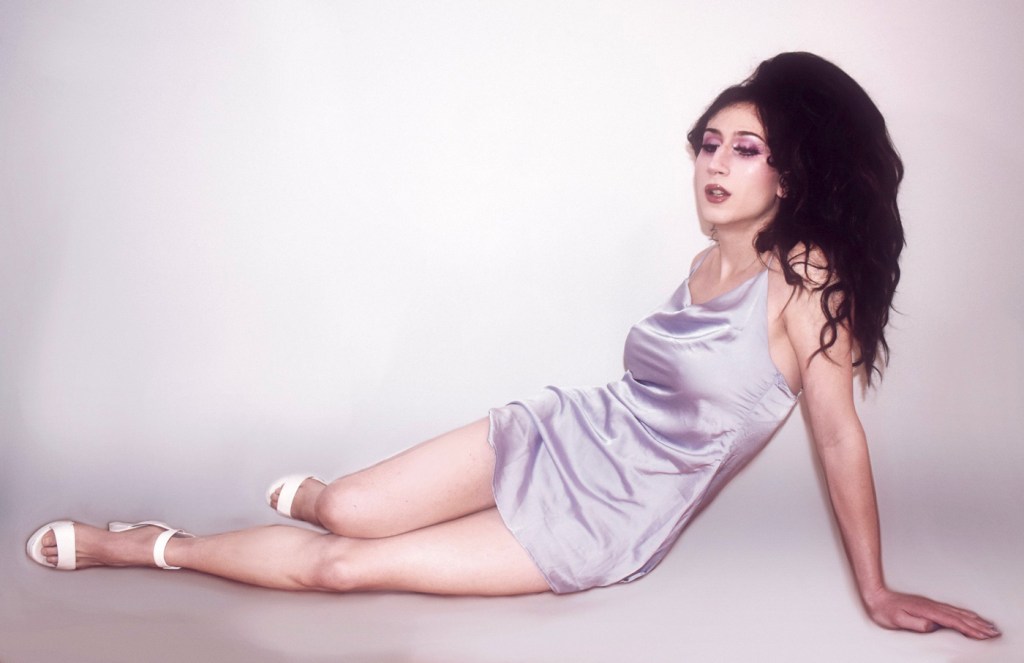
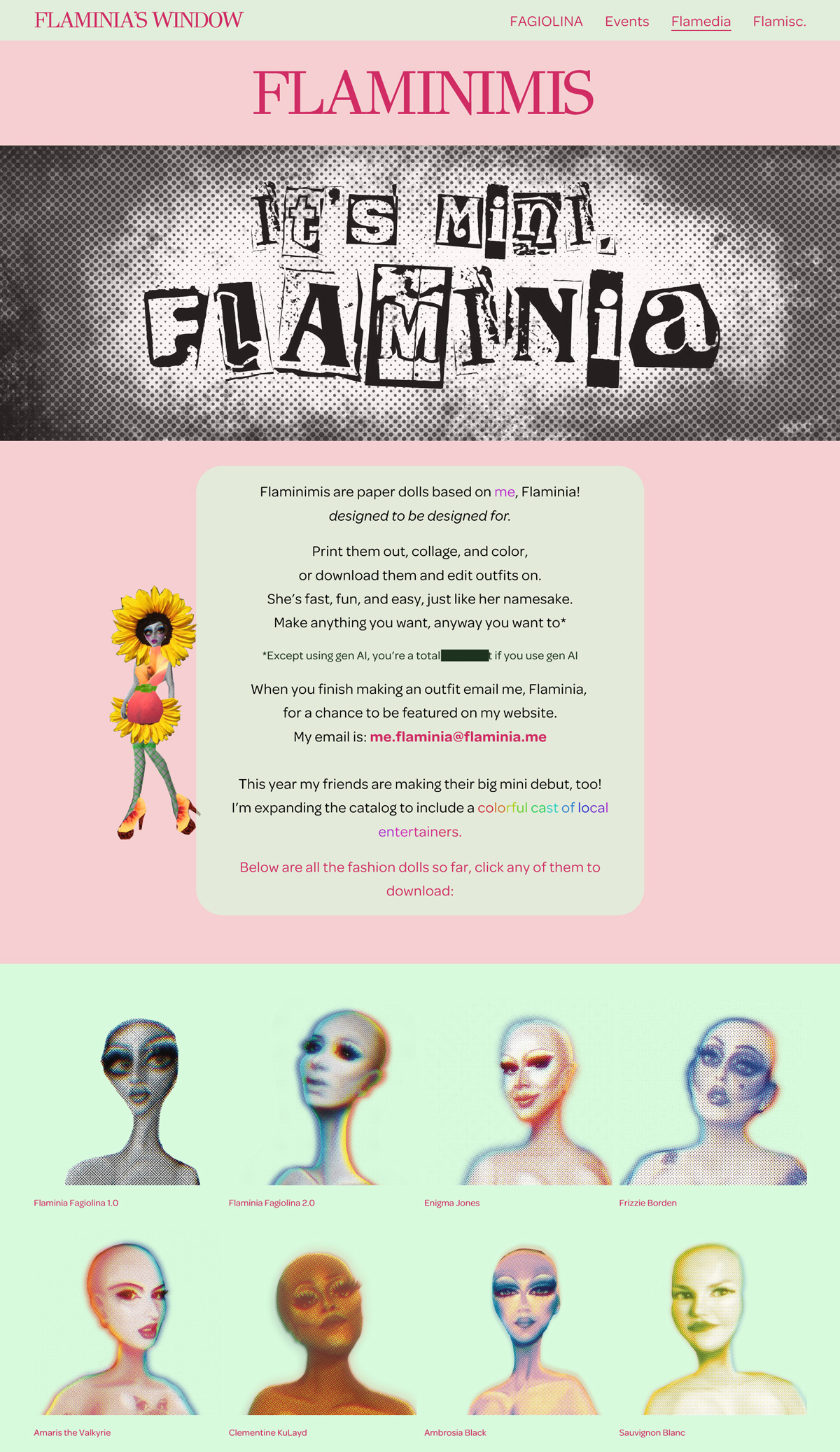
Flaminia draws inspiration from an eclectic mix of sources, including a large vintage doll collection she keeps at home. Porcelain dolls and paper dolls, in particular, have shaped her creative vision, leading her to one of her most personal projects: “Flaminimis,” a series of custom paper dolls based on her drag persona. Designed as an accessible way for audiences to engage with drag outside of expensive couture, the project invites people to cut, assemble, and create looks of their own. She has since expanded the concept to include other drag performers, alongside an interactive online gallery and online dress-up game hosted right on her website.
Drag has been a lesson in taking creative risks and embracing the parts of herself she once felt pressured to hide. The art form has taught Flaminia pride, particularly through pushing boundaries and trusting bold ideas, even when they do not always land. Just as importantly, drag has deepened her understanding of gender as something to question and play with rather than simply conform to, which she sees as central to the art itself. For Flaminia, drag is not about imitation but about reclaiming identity, challenging expectations, and turning self-expression into something both personal and political.
Flaminia points to both performance and creative projects when reflecting on proud moments in her drag career. Among the highlights, she cites winning Chez Legends Snatch Game presented by ConnecticutDrag.com last June, a victory she especially valued because it showcased her strength in improv and comedy. Beyond the stage, she is equally proud of the work she has built through her own creative platforms, including her self-made online magazine Fagiolina, which extends her artistic voice beyond performance. Together, those accomplishments reflect the range of her drag, from quick wit in competition to the independent, imaginative projects she has created on her own terms.

Looking ahead, Flaminia sees her creative future expanding well beyond the stage. Alongside drag, she is exploring more digital projects including comedy videos, video essays, and potentially revisiting interview-based content, while also investing more deeply in game development. Drawing on years of studying 3D art and more recent work in programming, she said she hopes to bring more polished interactive projects to life in the near future. For Flaminia, the next chapter appears rooted in the same spirit that defines her drag: experimentation, humor, and finding new mediums for storytelling.
Leave a Reply