

By Kevin Ferrisi –
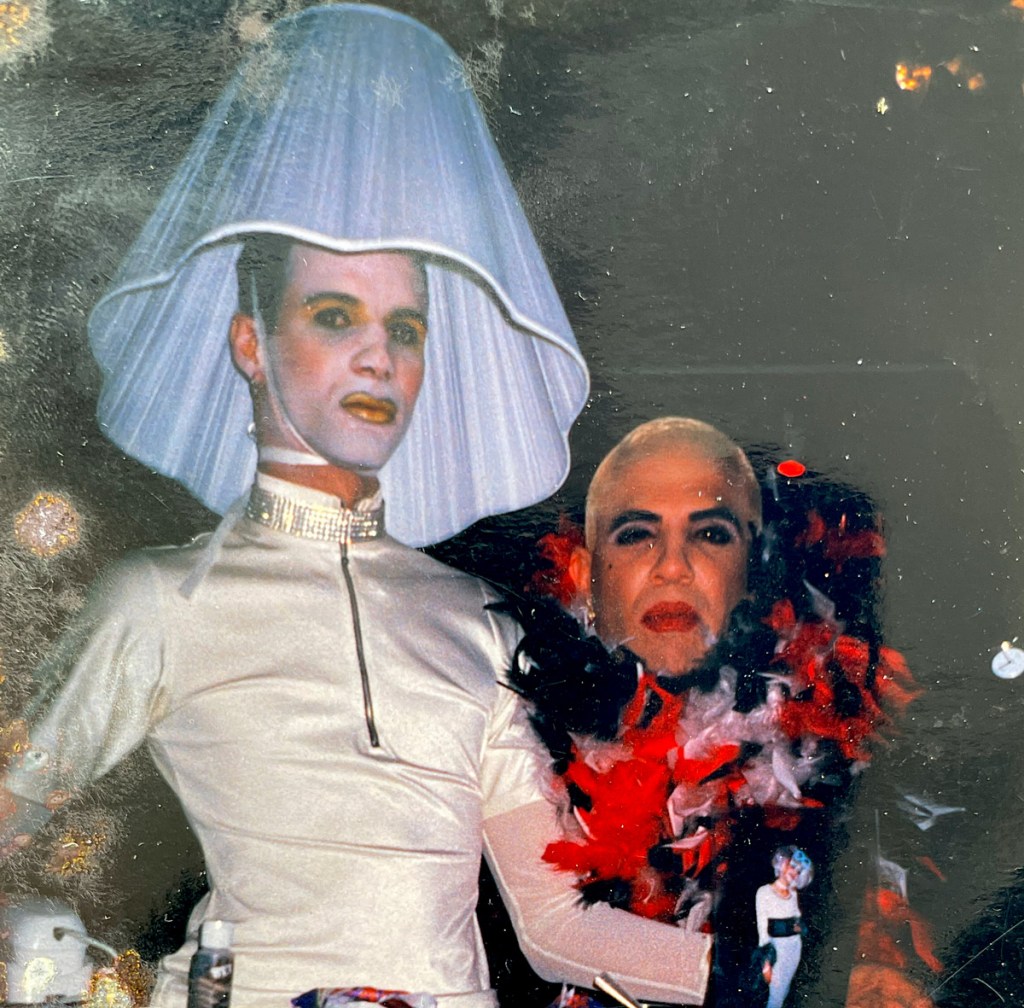
For more than three decades, Grace Nations has been a steady presence in the drag community, with roots that trace back to the early 1990s. She first found her footing in the club kid and ballroom scenes, where self-expression and nightlife culture shaped her early identity. Over time, that foundation evolved into a full commitment to drag, leading her to the stage as a performer and establishing the career she continues to build today.



Like many performers, Grace Nations traces the start of her drag journey back to a Halloween night, a moment of curiosity that would quietly shape her future. But it was in the summer of 1996, when Connecticut icon Lady Tatiana invited her to step in for a last-minute cancellation at a show for the Hispanic Health Council in Hartford, that everything changed. Until then, she had seen herself as someone who supported performers behind the scenes. That unexpected opportunity marked her first time on stage, setting her on a path that would grow into a decades-long career in drag.
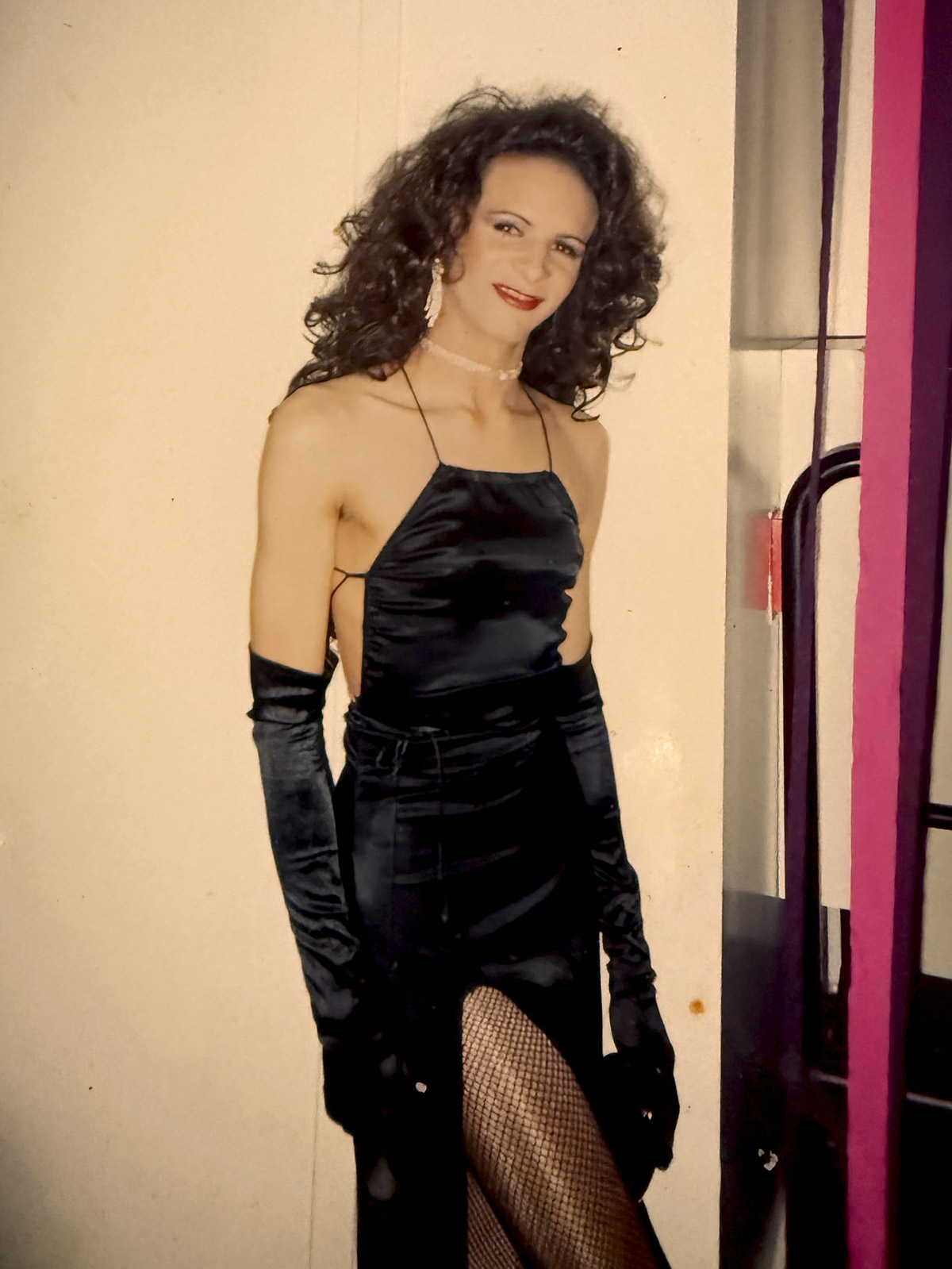
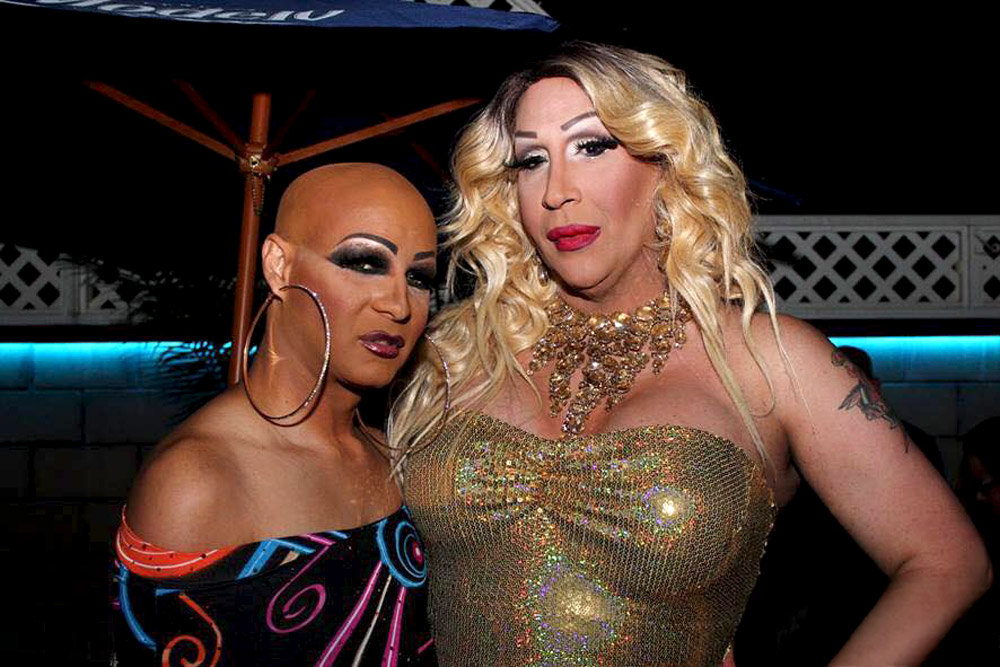
Grace Nations’ name carries both history and personal meaning, shaped at a pivotal moment in her early career. After returning to Connecticut from Florida in the late 1990s, she entered a Halloween contest at Club Velvet, where she won performing as Miss Pinhead. When asked her name, she initially gave Hector Nations, reflecting her ties as an original member of the House of Nations. A close friend encouraged her to choose something more personal, and she saw an opportunity to honor her cousin, who had been her biggest supporter and had passed away due to complications from AIDS. She took her cousin’s nickname, Grace, and paired it with her house name, creating the identity she carries to this day.

Her drag story is deeply rooted in family, both chosen and built over time. Grace Nations is a member of the original House of Nations, where Johnny Lavoy, also known as Johnny Nations, serves as mother of the house. She also credits Lady Tatiana as her drag mother, a mentor who encouraged her to step outside her comfort zone and grow as a performer. As her career developed, Grace took on that same role for others, guiding a new generation of artists. While she considers many in the scene to be her drag children, she names Destiny Nations Royal and Ruby Blaze Nations as her daughters, continuing a legacy of support and connection within the community.
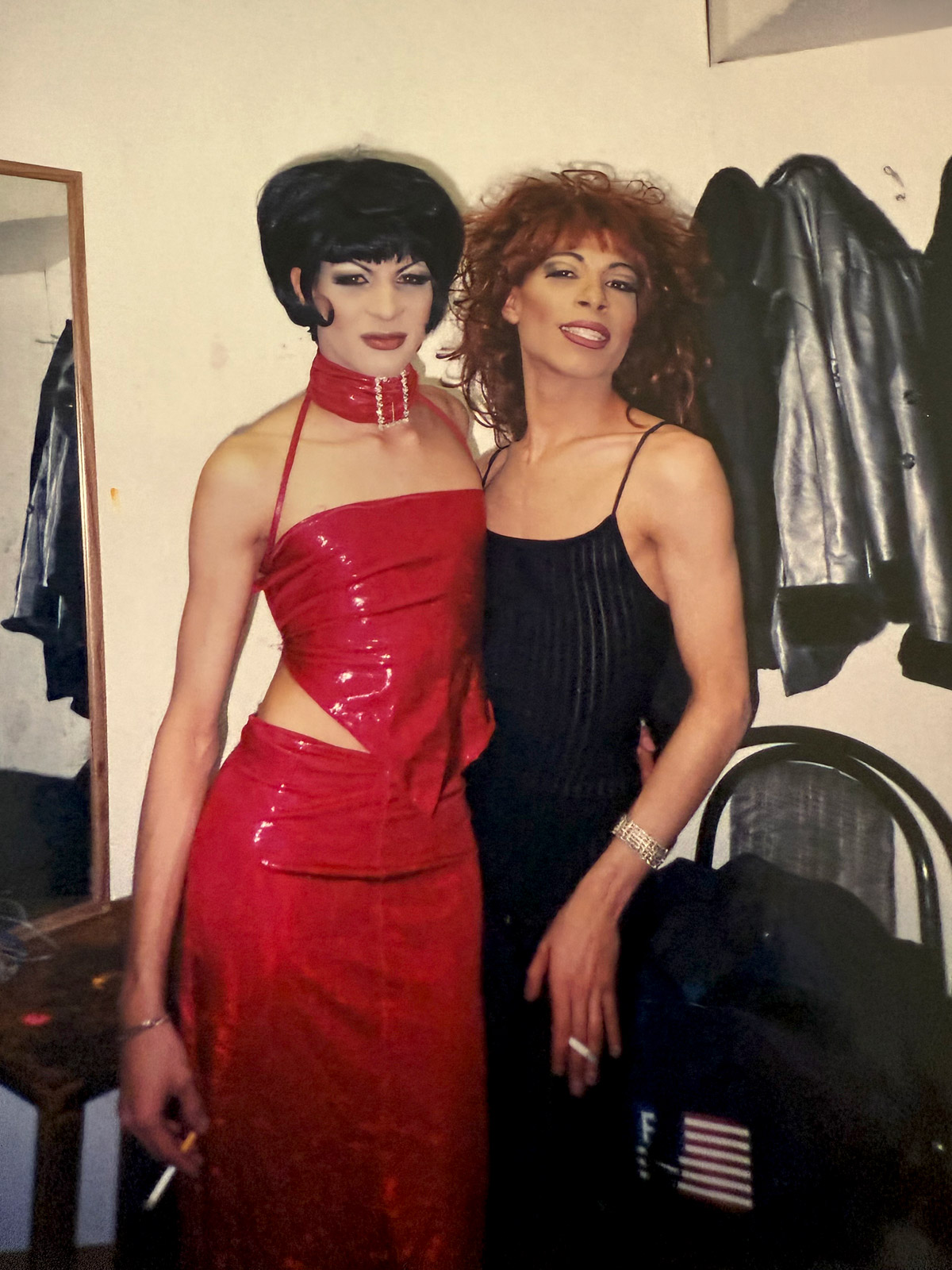
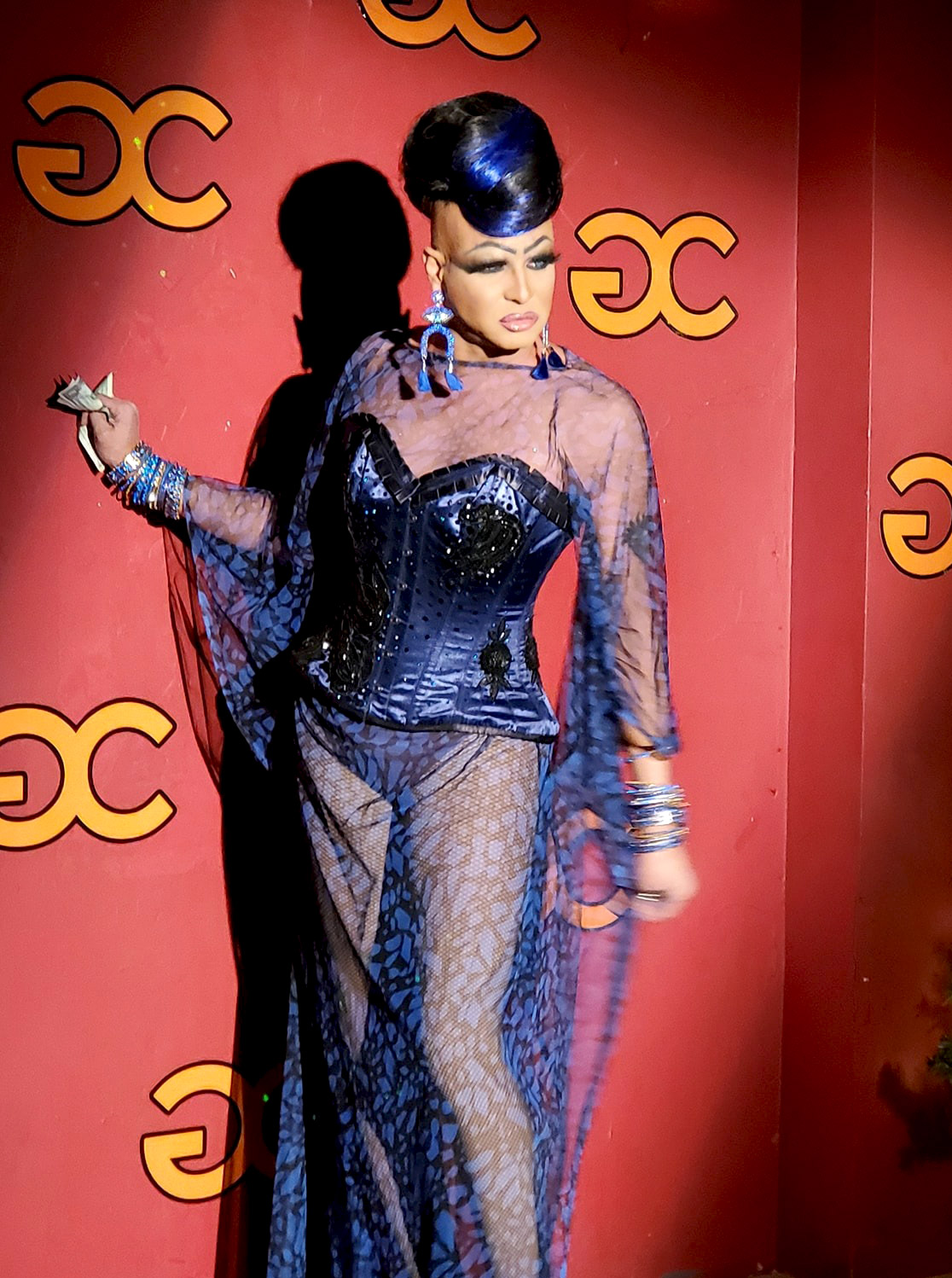
Grace Nations describes her drag style as layered and ever-evolving, shaped by a wide range of influences. She draws from the bold expression of club kid culture, blends in high-fashion aesthetics, and grounds it all with a sense of glamour. At the same time, she incorporates elements of androgyny, creating a look that resists easy definition and reflects the many facets of her artistry.
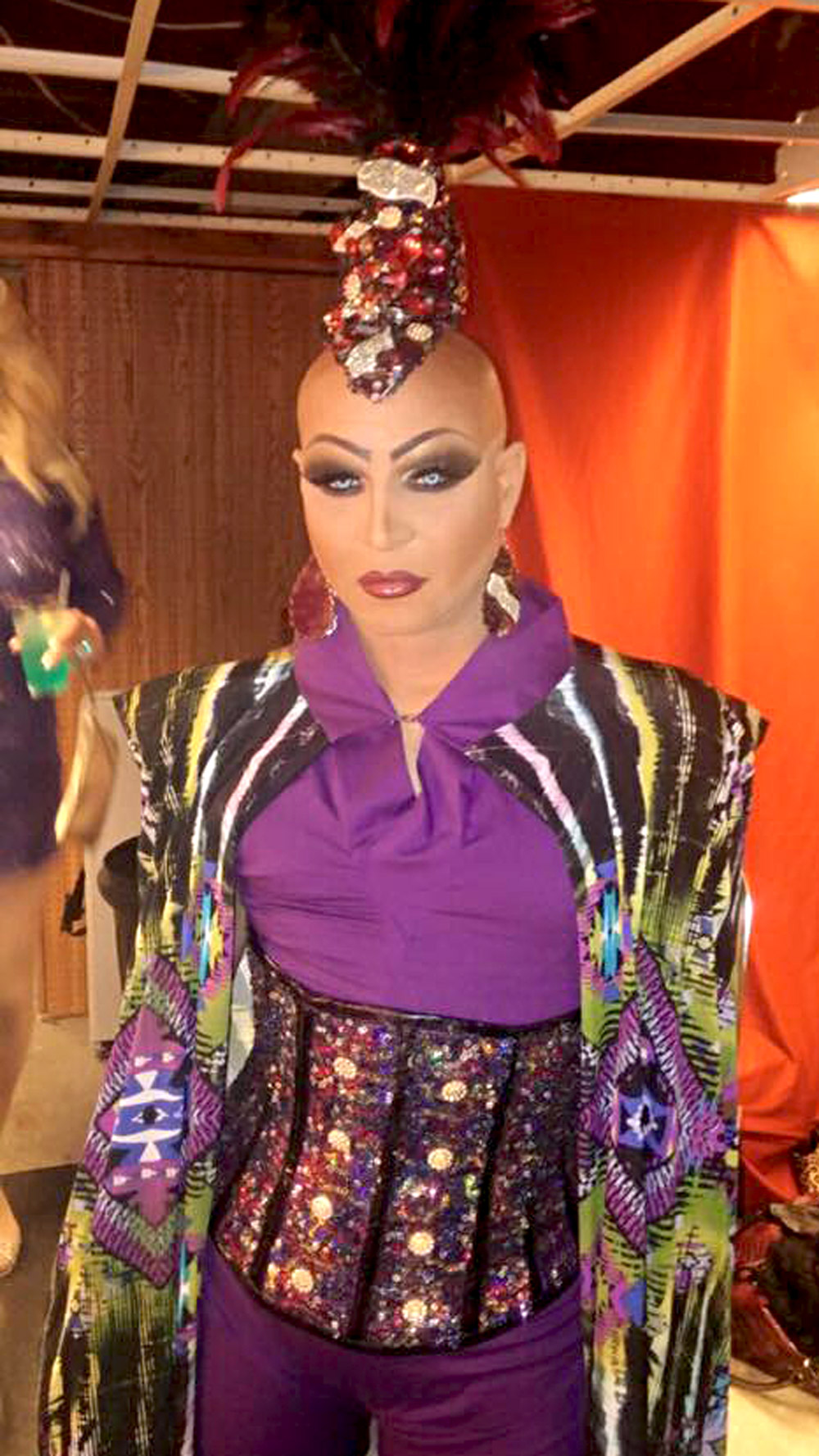
For Grace Nations, one of the most important lessons drag has taught her is the value of staying grounded. Over the years, she has learned to carry herself with humility and professionalism, even in a scene where strong personalities and occasional unprofessionalism can be part of the landscape. It is a mindset she has held onto throughout her career, shaping not only how she approaches her work, but how she moves through the community around her.

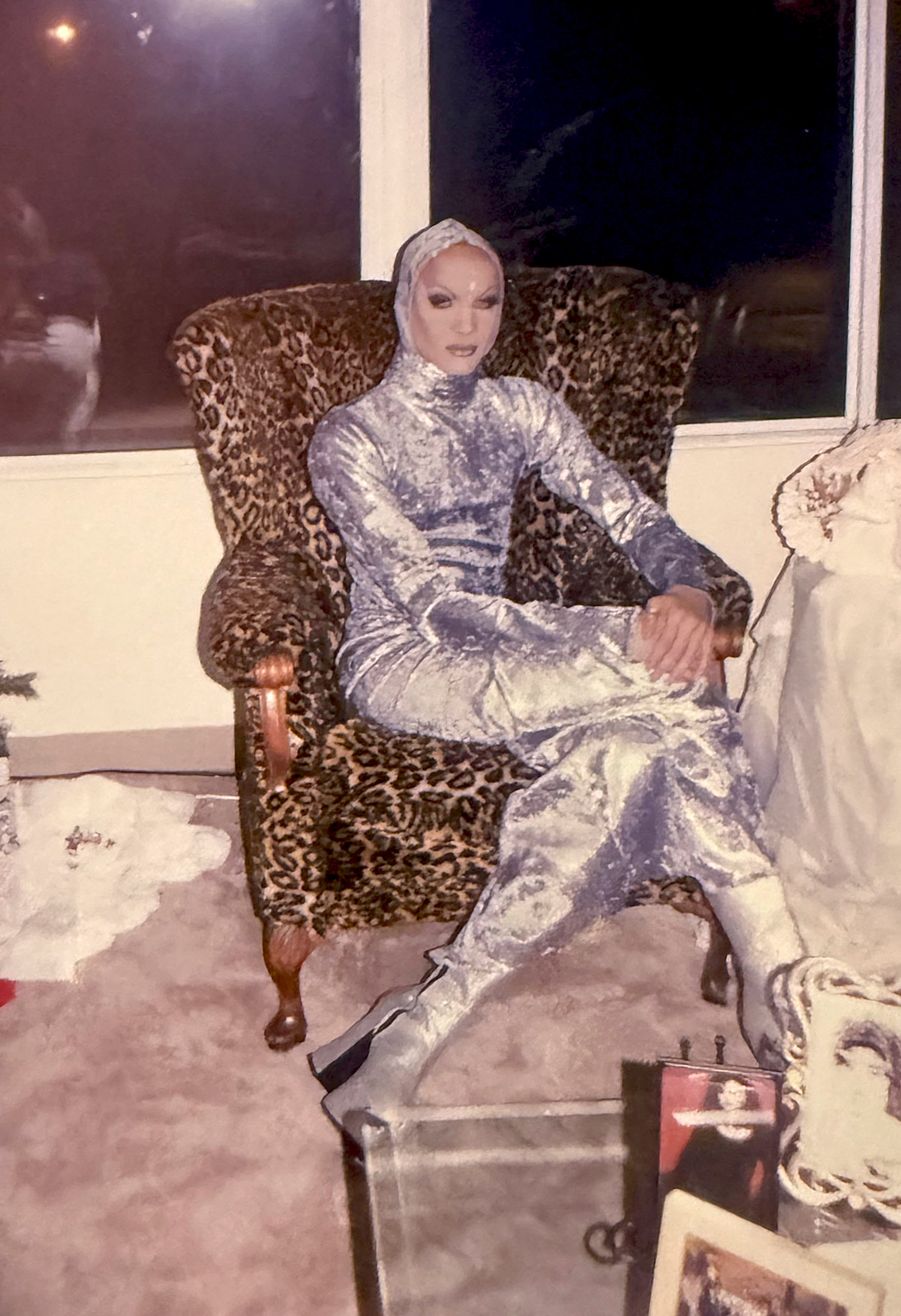
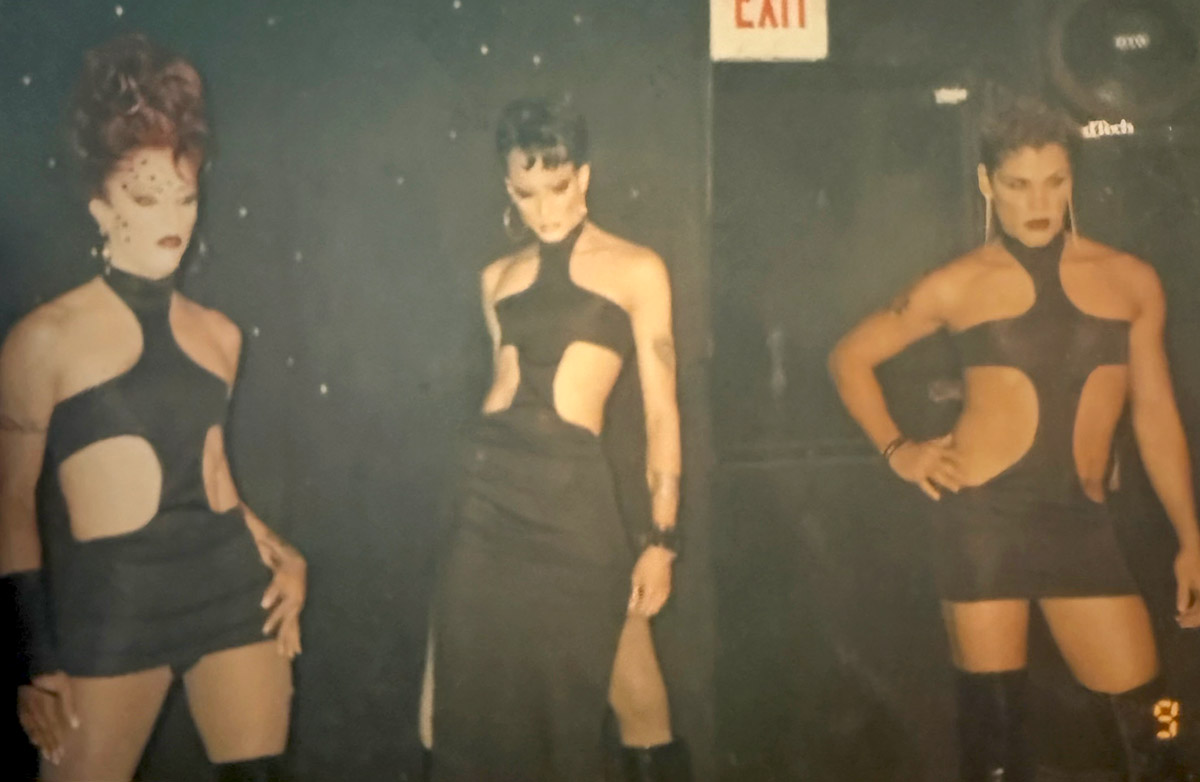
One of the accomplishments Grace Nations holds closest is the role she played in helping broaden audiences for drag at a time when it was far less mainstream. After winning a contest at Club Velvet, she was invited to perform for a predominantly straight Friday night crowd, part of an effort to create a more mixed, New York-style club atmosphere. Alongside fellow performers Krystal and Gia Rockstar, she formed the Mistresses of Illusions, a group that would go on to break barriers and build respect for both the art of drag and the LGBTQ+ community. What began as a single night quickly expanded into Saturdays, after hours shows, and the long-running Gay Sundays at Velvet, marking a significant chapter in her career and in the local scene.

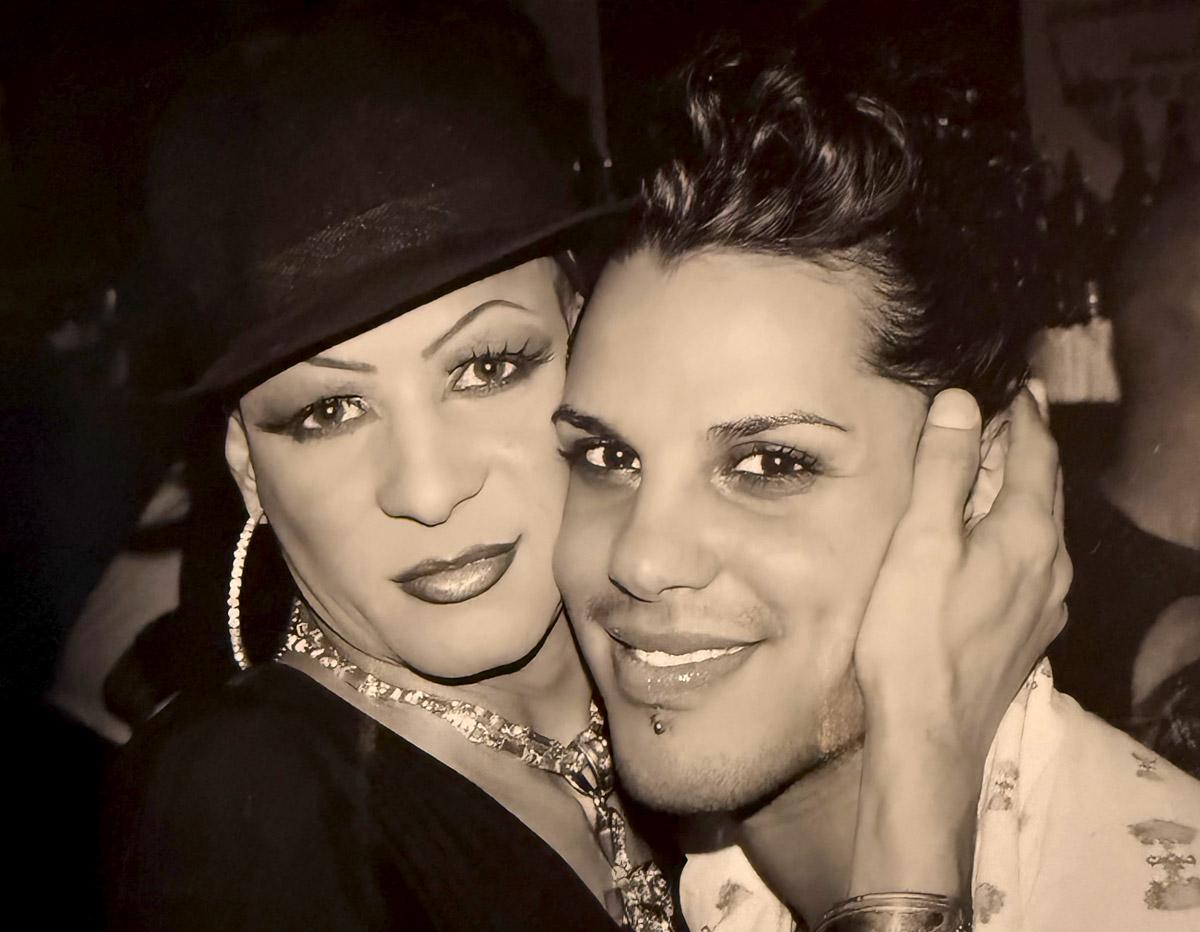
In recent years, Grace Nations has stepped back from the drag spotlight, describing herself as semi-retired. It wasn’t any single event, but a combination of factors: as she got older, the market became saturated, clubs were less willing to pay, and newer performers often worked for free. The COVID-19 pandemic also forced her to cancel her big 50th birthday celebration, which she saw as the perfect opportunity to take a break, a break she ultimately decided to extend. While she now focuses on her career as a hairdresser and her family, she still leaves the door open for occasional surprise appearances.
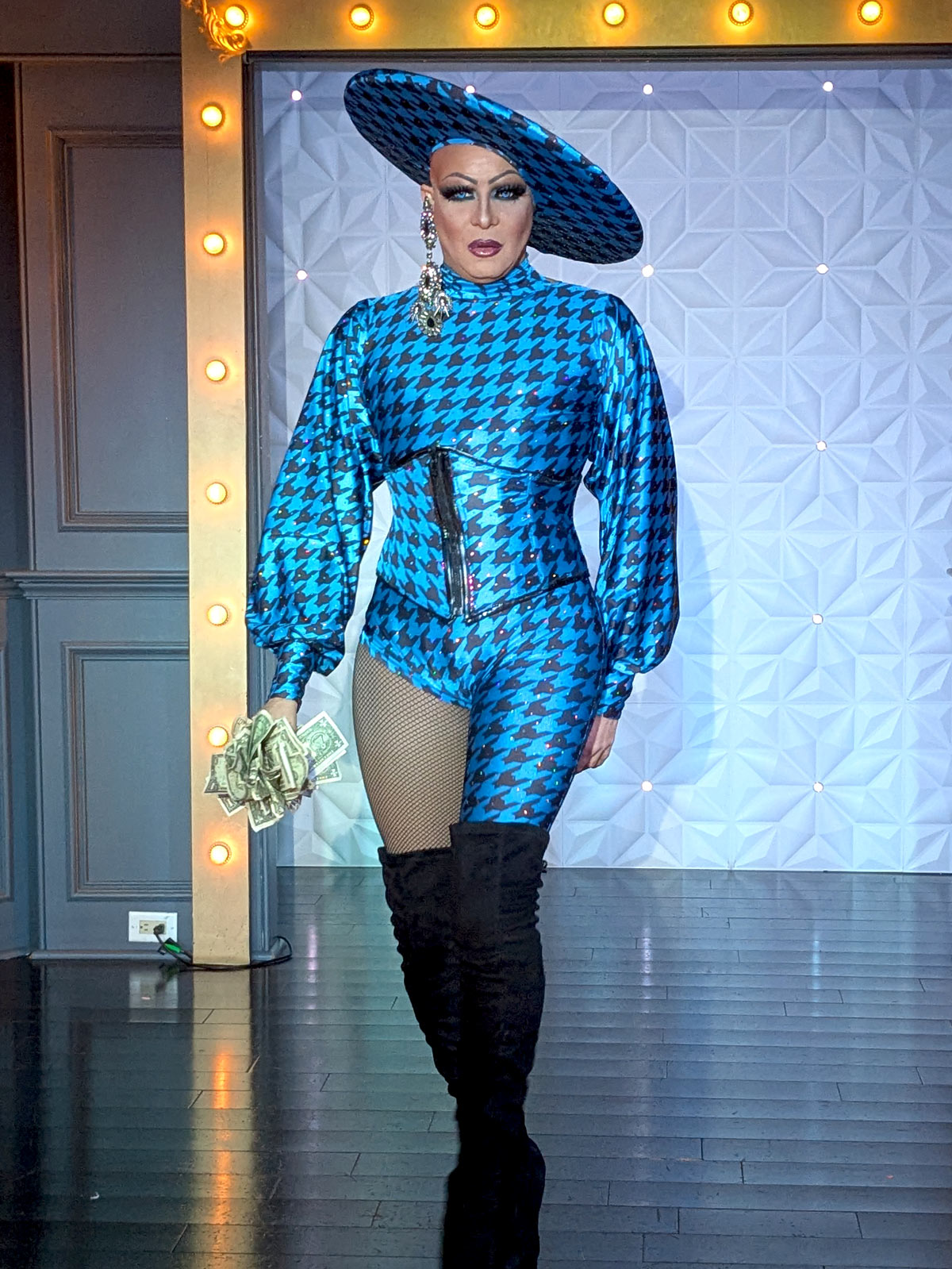
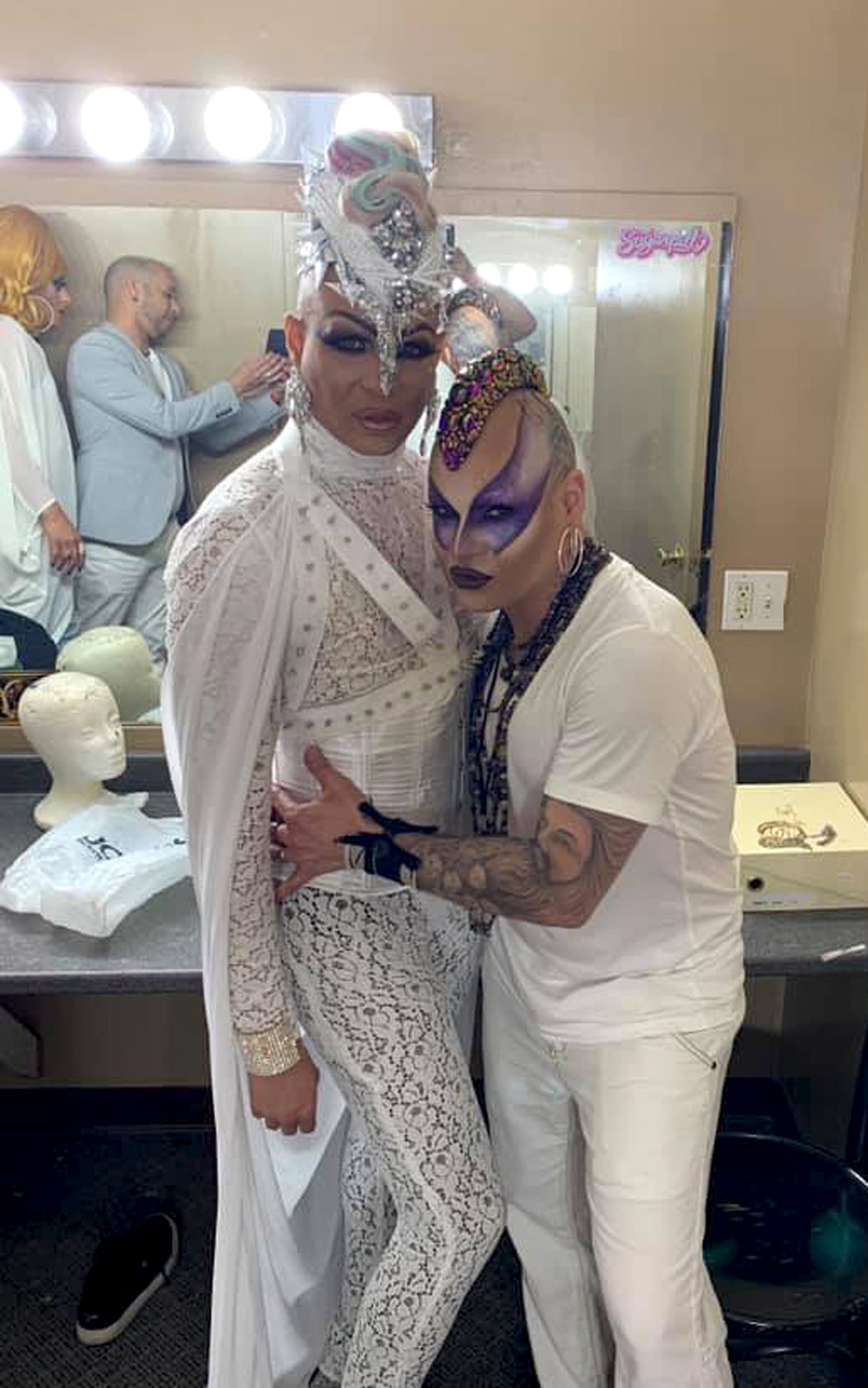
This past November, Grace Nations was among the legendary performers who returned to the stage for the Polo Club reunion show, presented by DCJR Events at Chez Est in Hartford, a night that celebrated the rich history of Connecticut drag. The event brought together icons from the original Polo Club era, with Grace delivering standout performances that highlighted her lasting presence in the community and her connection to that influential chapter of nightlife history. Her participation reflected the show’s mission of honoring the past while reuniting generations of performers for a powerful and nostalgic evening.

Grace Nations takes pride not only in her own journey but in the community that helped shape it. She wants emerging drag performers to remember the value of humility and respect, especially toward the seasoned queens who paved the way. Reflecting on her early days, she notes that the scene was once defined by a strong sense of sisterhood, where respect for one another was at the heart of the art form.


Leave a Reply