
By Kevin Ferrisi –
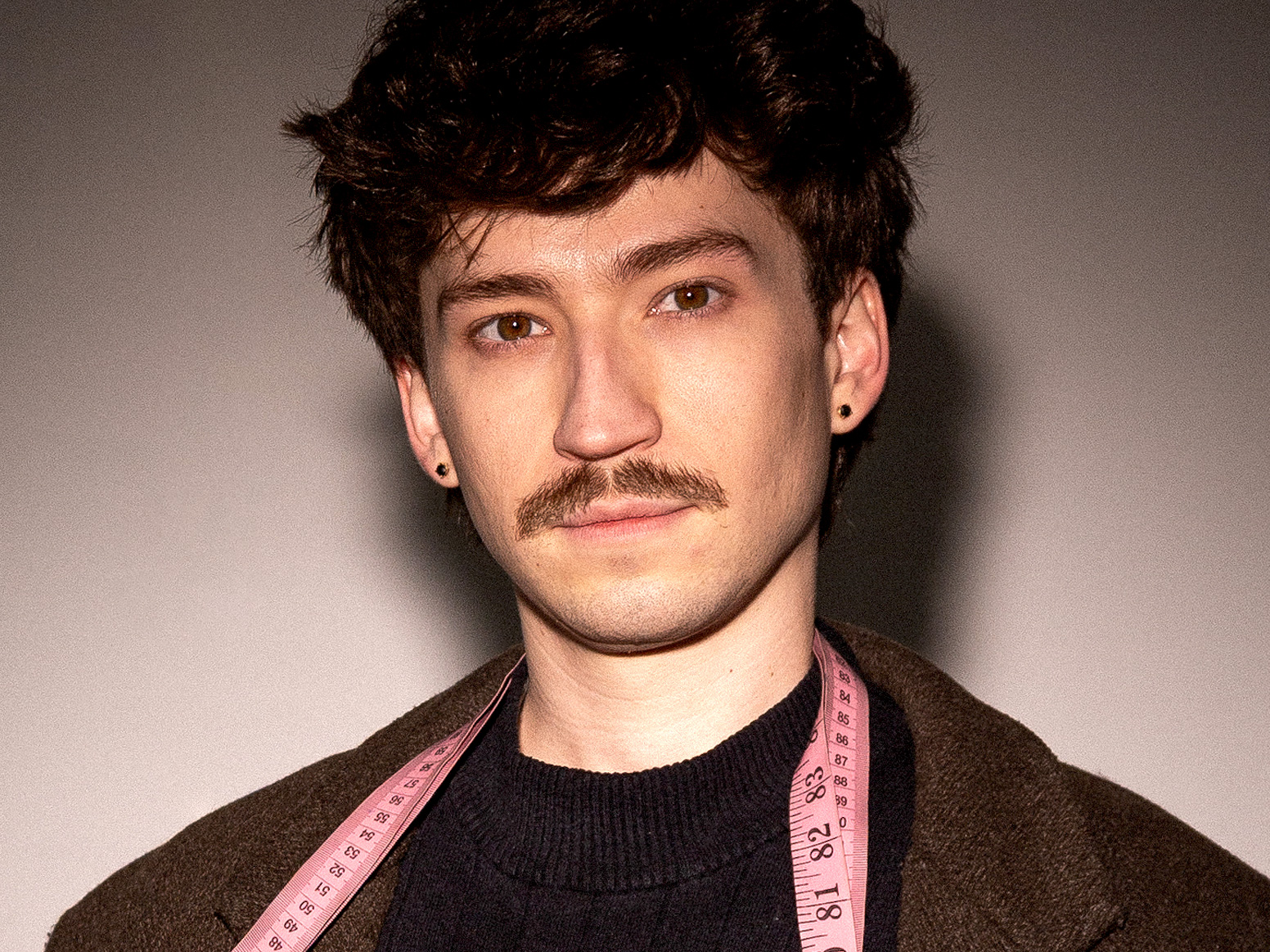
Christian Micheal’s journey from a hair salon in Pensacola to crafting looks behind Connecticut’s drag stars in the heart of Connecticut’s drag scene reads like a story about chance, courage, and creativity. In 2020, the pandemic shook his world, pushing him to enlist in the Navy and take on leadership roles he never imagined for himself. Along the way, he discovered a new calling, designing drag looks for his sibling Judah and other performers, which grew from casual styling into fully realized, handcrafted garments. In just a short time, Christian turned sketches and thrifted pieces into show-stopping creations that have won competitions, inspired performers, and continues to leave a mark on the Connecticut drag community.


Christian grew up in Pensacola, Florida, and never imagined he would end up in the Navy. In fact, he used to laugh off recruiters by telling them he was “too gay for that.” But when the pandemic hit in 2020, he found himself working in a salon where clients were arguing about highlights while the news showed a rising death toll. The contrast gnawed at him. A video of Mariah Carey praising the Navy’s hospital ship, the Mercy, finally pushed him to act. He enlisted, went through the isolation of boot camp in Chicago, and landed in Connecticut as the first place he was allowed to reenter the world.
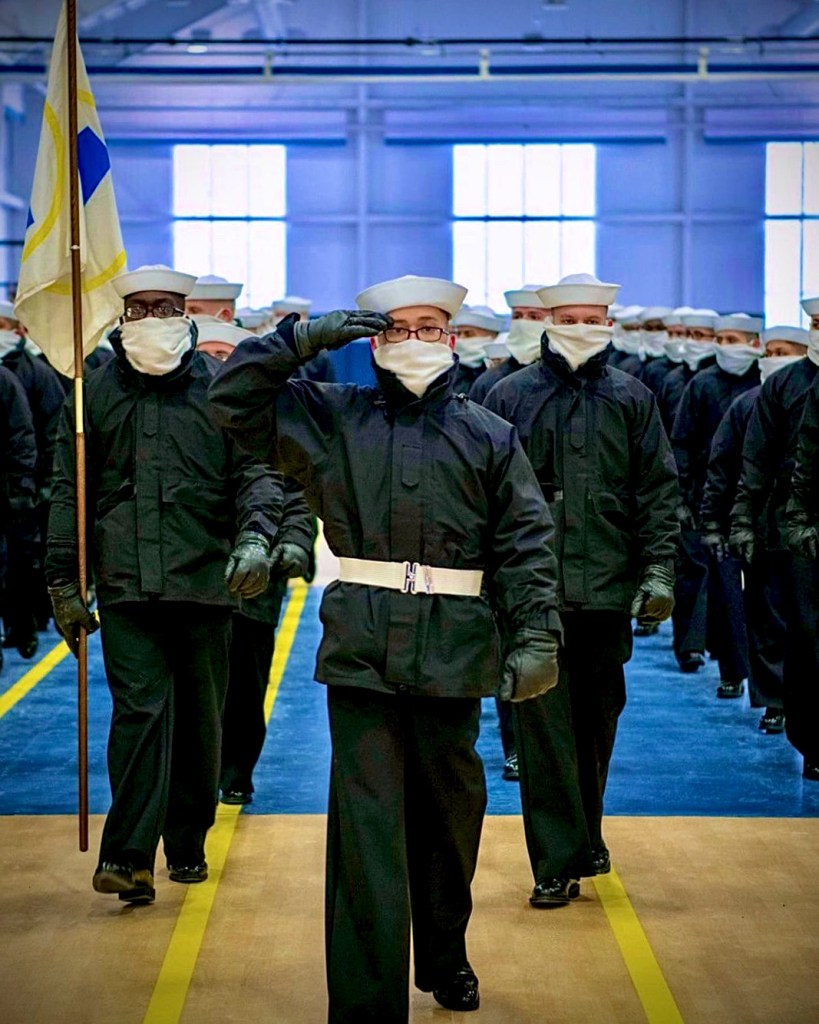
He joined the Navy as an openly gay man and quickly found himself in a leadership role at boot camp, running a division of fellow recruits. He had to come out a few times because some people were surprised, but never faced discrimination. When a slur was used, he reported it to his drill instructor, and the person was immediately removed. Christian made it clear he wouldn’t tolerate disrespect and handled his position with confidence from the start.

His journey into fashion started almost by accident. It grew out of helping his sibling Judah get into drag during the pandemic who still lived in Florida at the time. Christian had always been creative, taking art classes as a kid while his sisters did ballet and his brother played sports. When Judah decided to start performing in drag, Christian jumped in immediately, ordering pieces online and styling looks from his barracks room in Connecticut. Over the course of a year, he sketched designs, hunted down items online, and made sure each look matched his vision, proud to support his sibling while putting his Navy paycheck to work.

As Christian was leaving the Navy, he faced the question of whether to move back to Pensacola, but he didn’t want to. His sibling Judah, who was also his best friend, had just started performing in drag in Florida at a time when it was becoming unsafe, so Christian helped her move up to Connecticut. Living together, he found himself constantly offering input on her looks, suggesting tweaks and adjustments. Over time, that collaboration grew, and he realized he genuinely enjoyed it and had a talent for it. What started as helping here and there turned into designing entire looks and eventually crafting them by hand, an organic progression that blended creativity with care.

Christian Micheal’s first real foray into creating garments came out of necessity and creativity. The first look he ever made, a dress crafted from leather belts laced together with cord, came to him while he was watching Connecticut’s own Loosey LaDuca and her episode of Meet the Queens for RuPaul’s Drag Race season 15. She wore a pink outfit composed of multiple pieces laced together, and Christian thought it was a fascinating technique. He imagined how he could apply it to a Judah look, and that’s what he created. Judah wore the dress when she won the first week of season 11 of Chez Legends, the state’s renowned drag competition at Chez Est in Hartford. That win sent her all the way to the season’s finale, where she ultimately took home the title. At the time, Christian hadn’t even learned to sew, but the look marked the moment he began turning his ideas into tangible designs on stage.

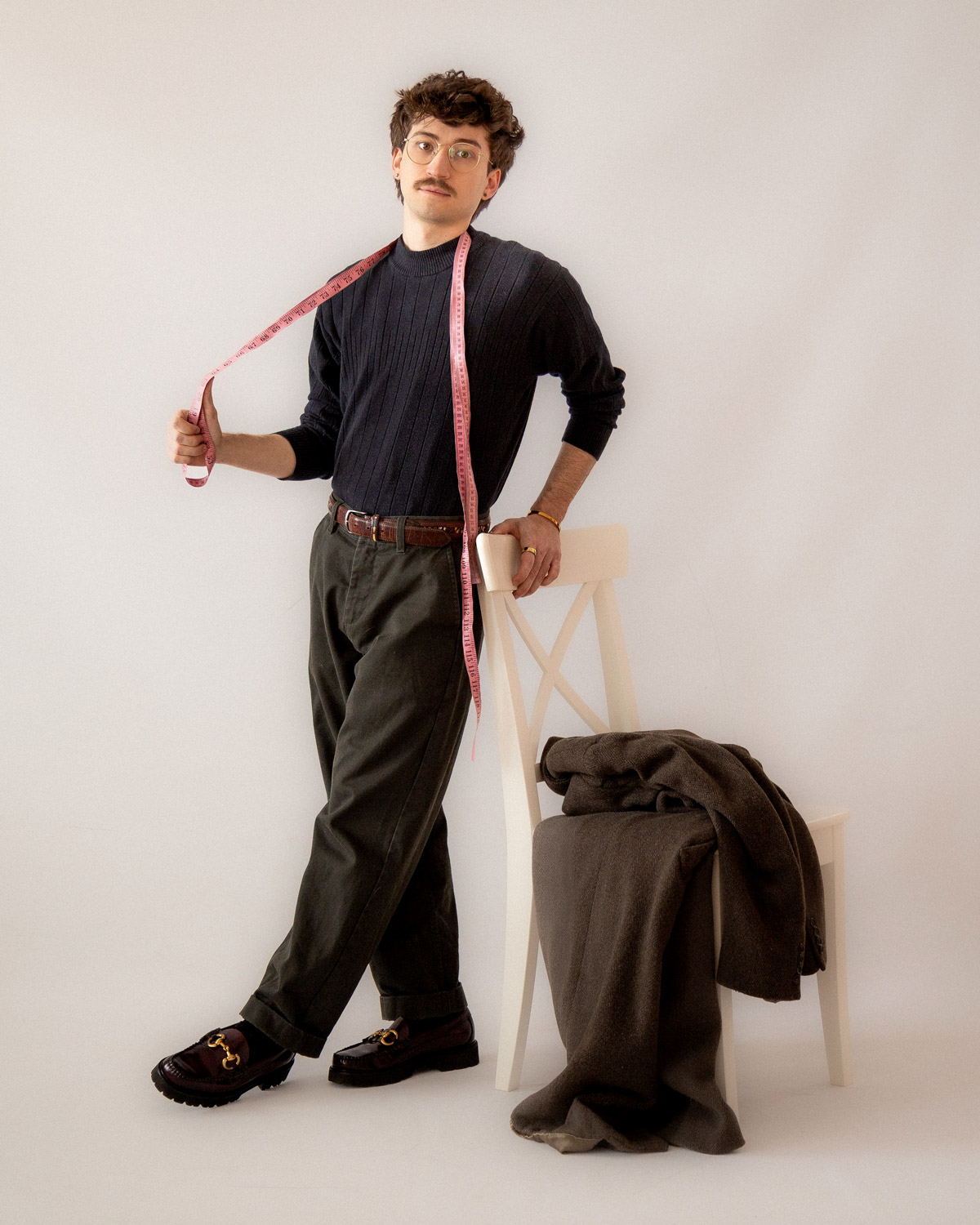
His first real experience creating a full garment came through upcycling. He would start by finding something at a thrift store that resembled what he wanted to make and then build on top of it. At first, the process was messy, and shopping for patterns frustrated him, so he decided to make his own. His first fully patterned garments were for Judah and Dro Lopez-Fierce, worn on the same night for the Chez Legends All Stars 2025 finale. Judah wore a black dress with gathered tulle at the bottom, and Dro Lopez-Fierce had a corseted bodice with a large tulle skirt. That project taught Christian to take measurements, create patterns, and assemble garments from start to finish, marking a turning point in his design journey.

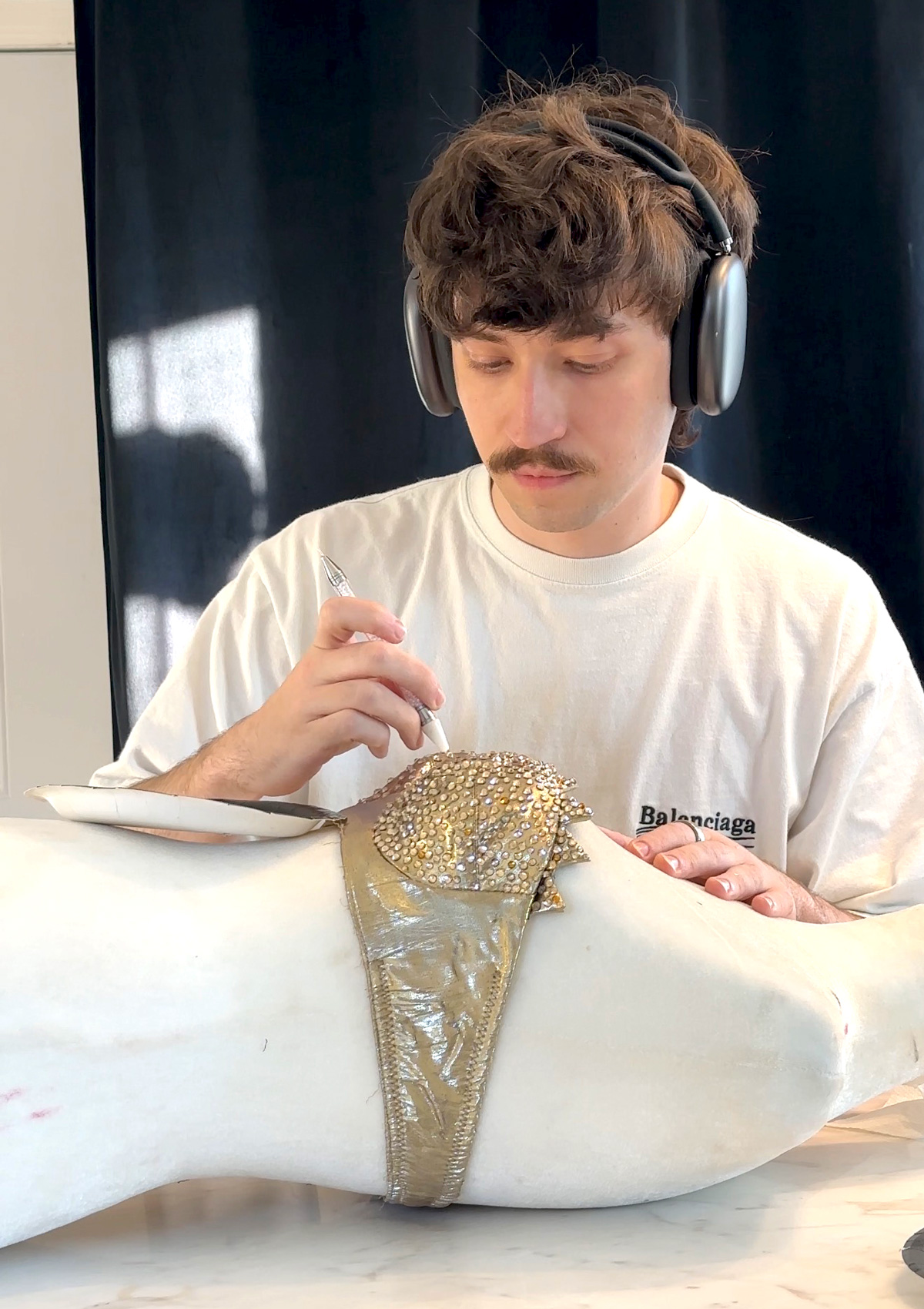
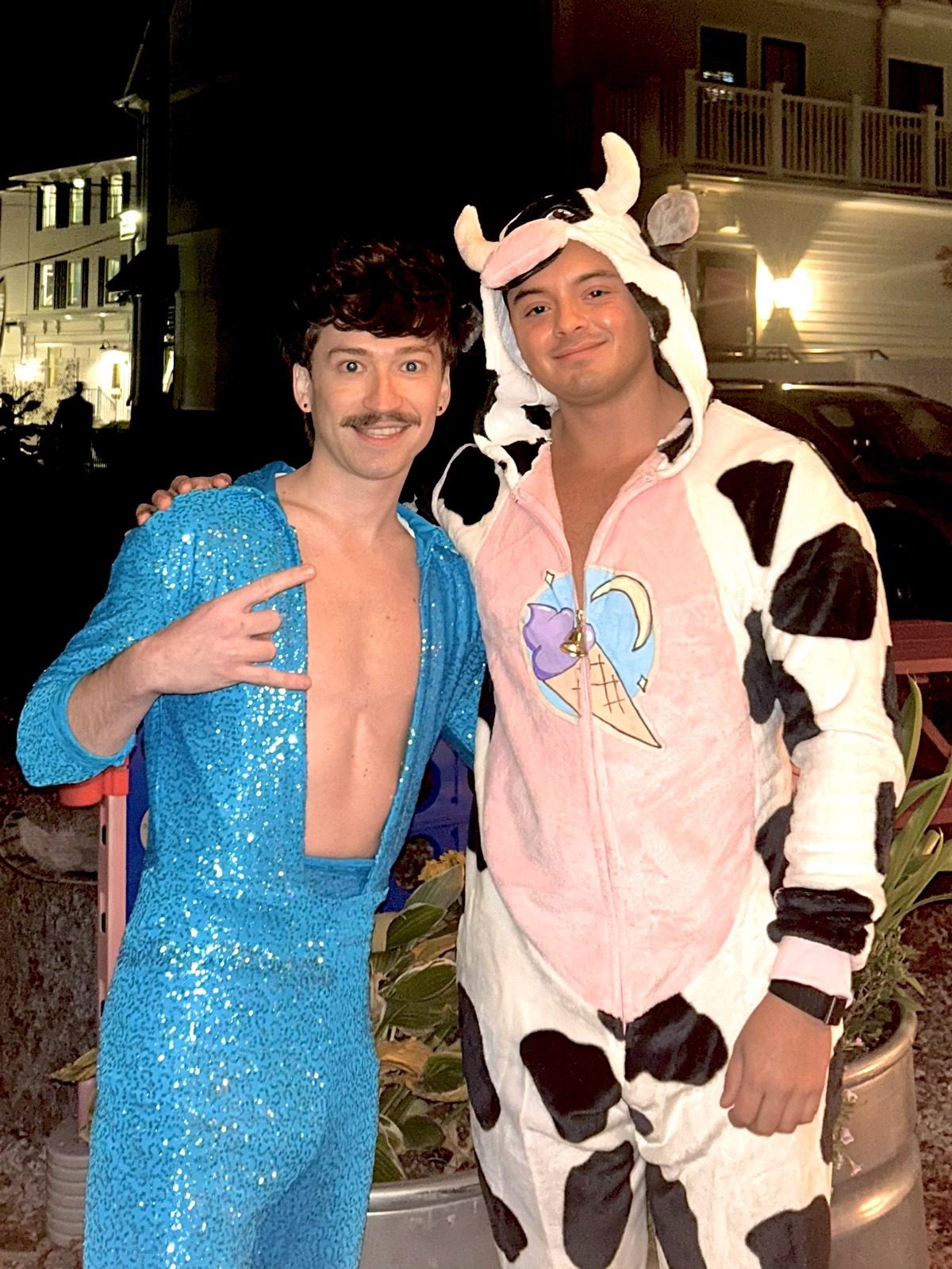
The new fashionista developed a creative process that starts with a sketch or concept before he even touches fabric. Although Christian had only been sewing since earlier this year, he found that planning the design first gave him control over how the final garment turned out. A clear example came when he made a sequin bodysuit for himself for Halloween, dressing as Benson Boone. Christian had never worked with sequins, created patterns for a full-body suit, or sewn anything like it before, but by carefully planning measurements and understanding the stretch of the fabric, he was able to complete it in a single day. His Benson Boone costume snagged two Halloween contest wins in one night, including a victory at Dro Lopez-Fierce’s Halloween event at New London’s newest gay bar, Pub 181.
Christian found inspiration in a mix of childhood obsessions and professional designers. Growing up, he spent hours on Tumblr and Pinterest, collecting images and references that later became a personal catalog for his creative work. One of his earliest influences was Erté, an artist who drew fashion designs. More recently, he looked to Paul Tazewell, the Tony-winning designer behind Wicked and Death Becomes Her, admiring not just his designs but how he built his career. Visually, Bob Mackie had the biggest impact on him, especially for his love of rhinestones and bold, theatrical pieces, which deeply shaped Christian’s approach to fashion.


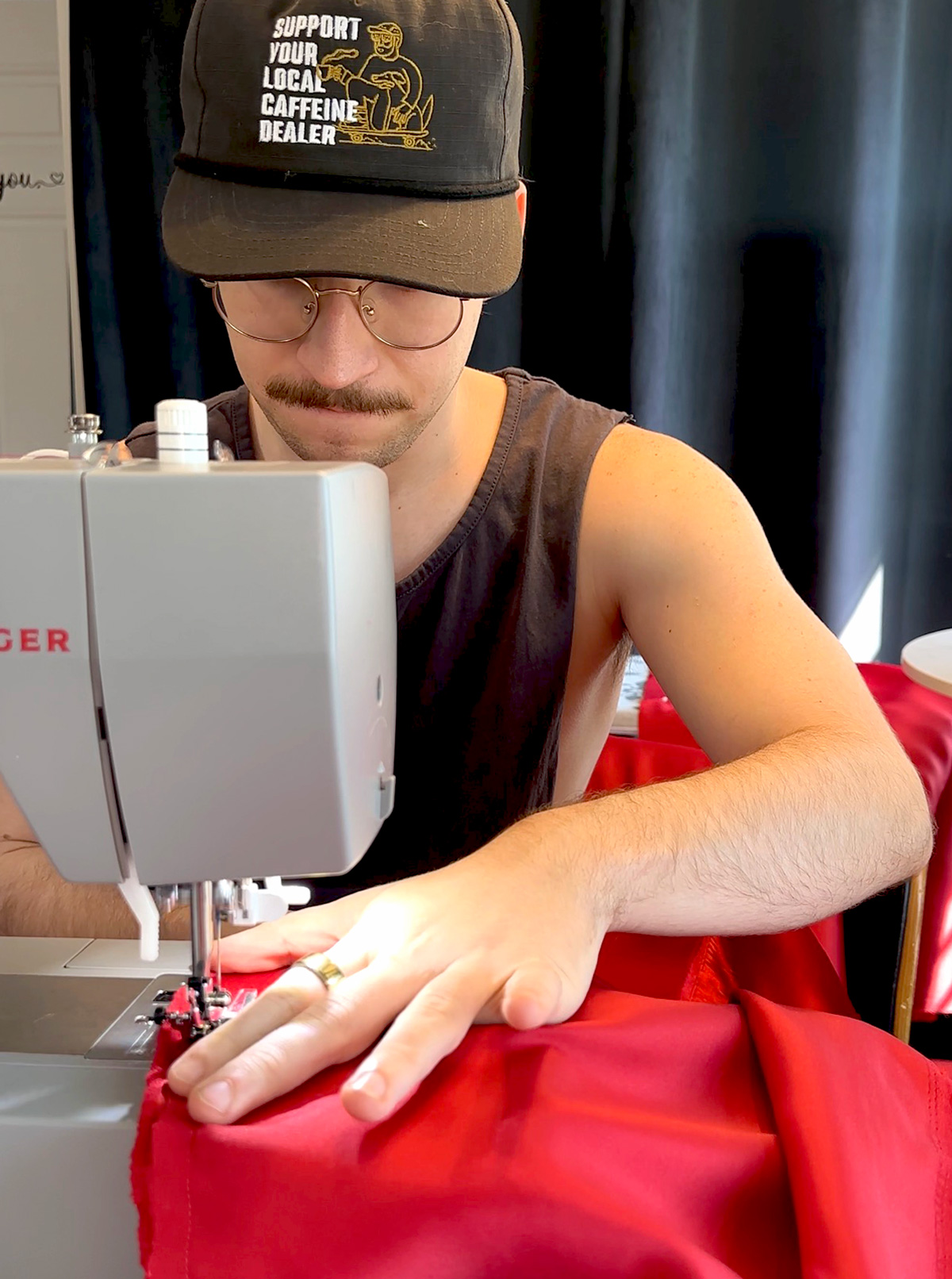
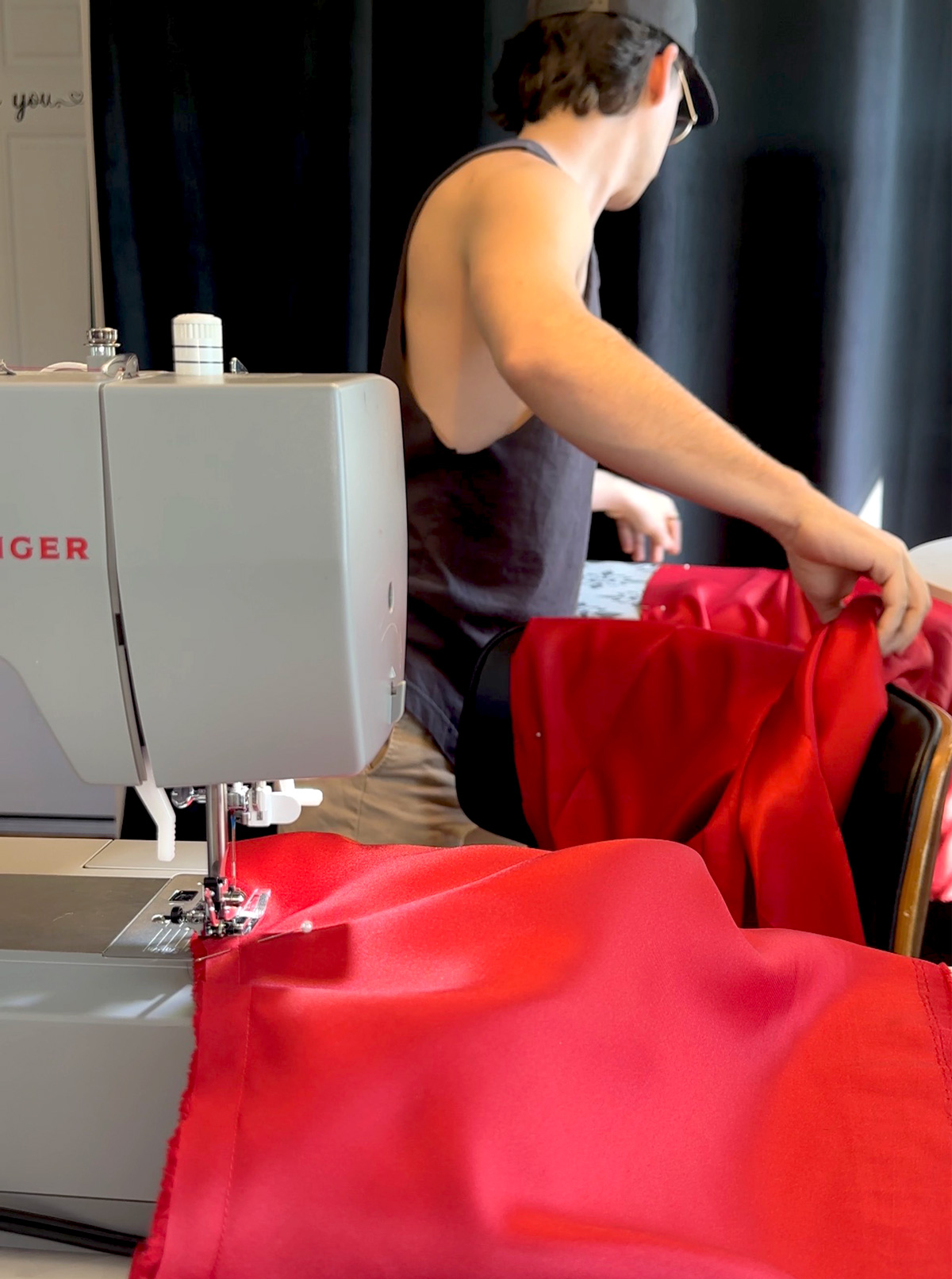
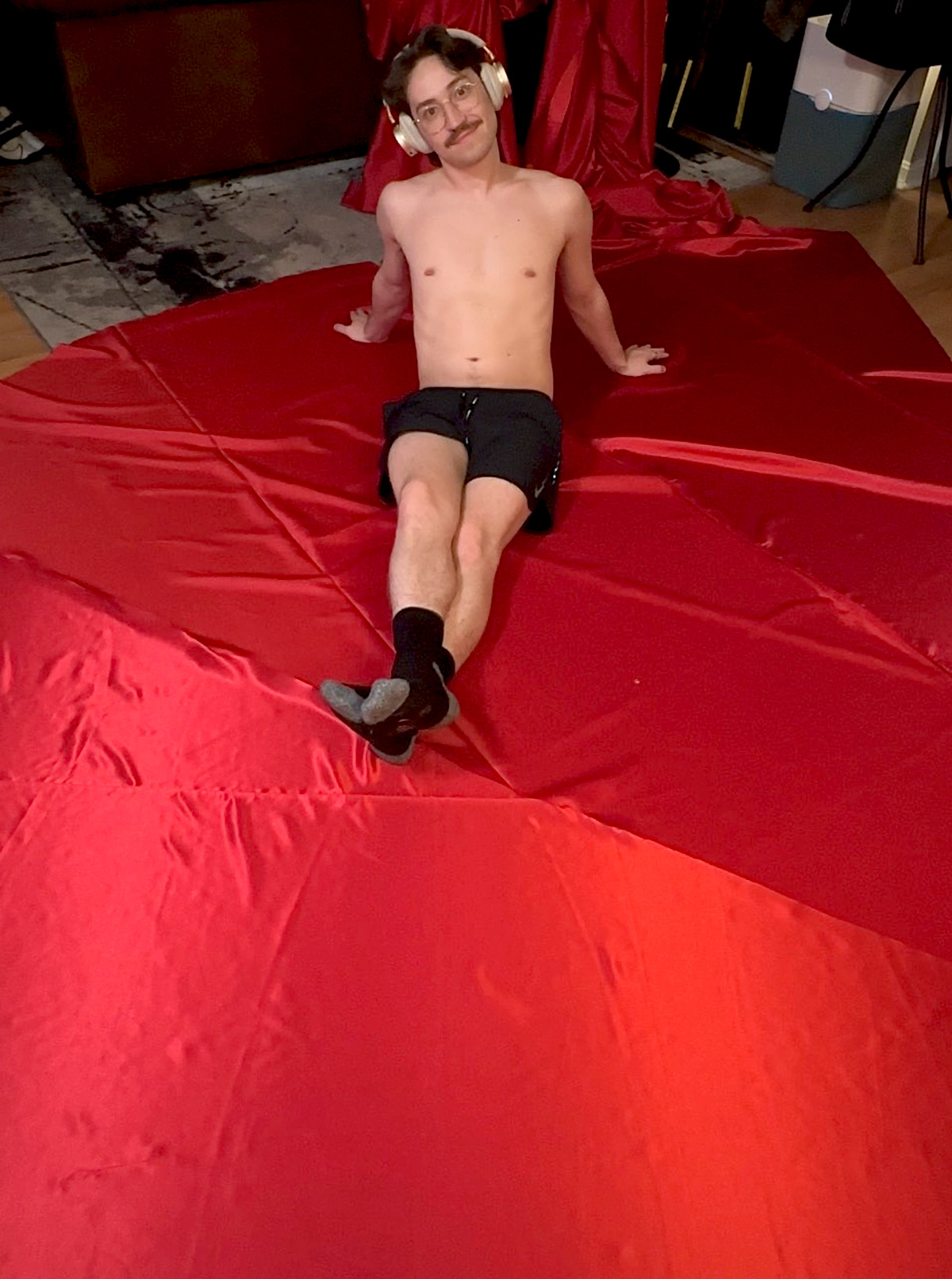
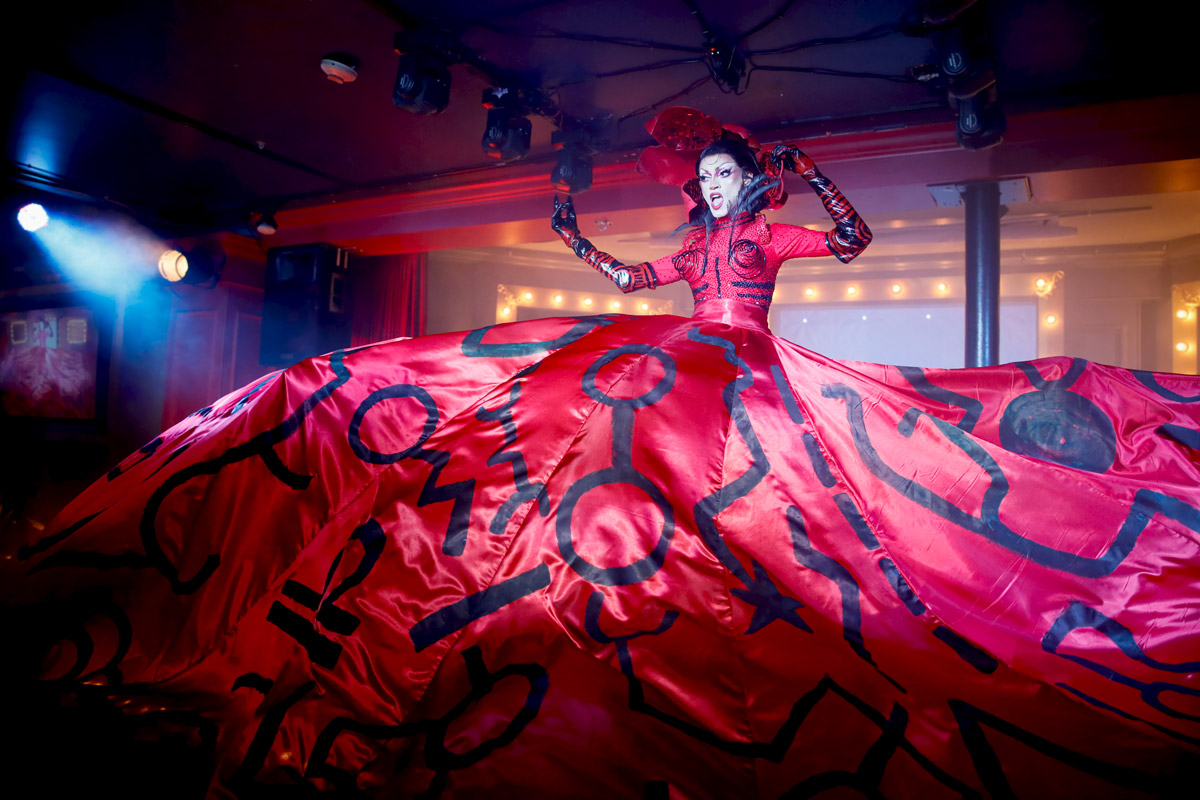
One of Christian’s biggest challenges came when he created a skirt for Angel Rivers to wear during the Chez Legends season 15 finale, which she went on to win. The skirt was deceptively complex, a simple circle design in concept, but it involved fabrics and construction techniques he had never attempted before. He calculated fabric needs, adjusted patterns on the fly, and worked right up until showtime to make it happen. The final piece was inspired by a hand-painted Keith Haring design created for Grace Jones in 1987, aiming to capture the same sense of escape and spectacle. Every step of the process tested him, but the result was a stunning garment, creating a moment the Connecticut drag scene will forever remember.

Christian Micheal has big goals for his future as a fashion designer. While he draws inspiration from Paul Tazewell and Bob Mackie for his designs, he hopes to build a career similar to Diego Montoya, one of the most influential drag designers working today. Christian admires how Montoya has become the go-to name for iconic looks on RuPaul’s Drag Race and in major exhibits. His ambition is to reach that same level of recognition, to be the designer everyone turns to when they want a show-stopping drag look.

Christian offered advice for anyone breaking into fashion or costume design: focus on the people who will actually wear your work. Early on, he said, he was more interested in creating bold, over-the-top shapes than thinking about practicality. Over the past year, he’s learned to consider how garments move, how they’re put on and taken off, and how they’ll hold up during a performance. He experimented with different zippers, clasps, and construction techniques to make sure his designs weren’t just visually striking but also wearable and functional for the performers who rely on them.

The new designer runs his work under the name Christian Micheal Studio, where he develops designs that fully reflect his own vision and aesthetic. He often gets asked how much of Judah’s drag looks come from him, and he says it’s roughly 25 percent of the final performance, though that varies, sometimes he creates an entire head-to-toe look, other times he just helps with details. Whatever he posts or showcases under his own name is entirely his own, a reflection of the world and ideas that exist in his imagination.


Leave a Reply